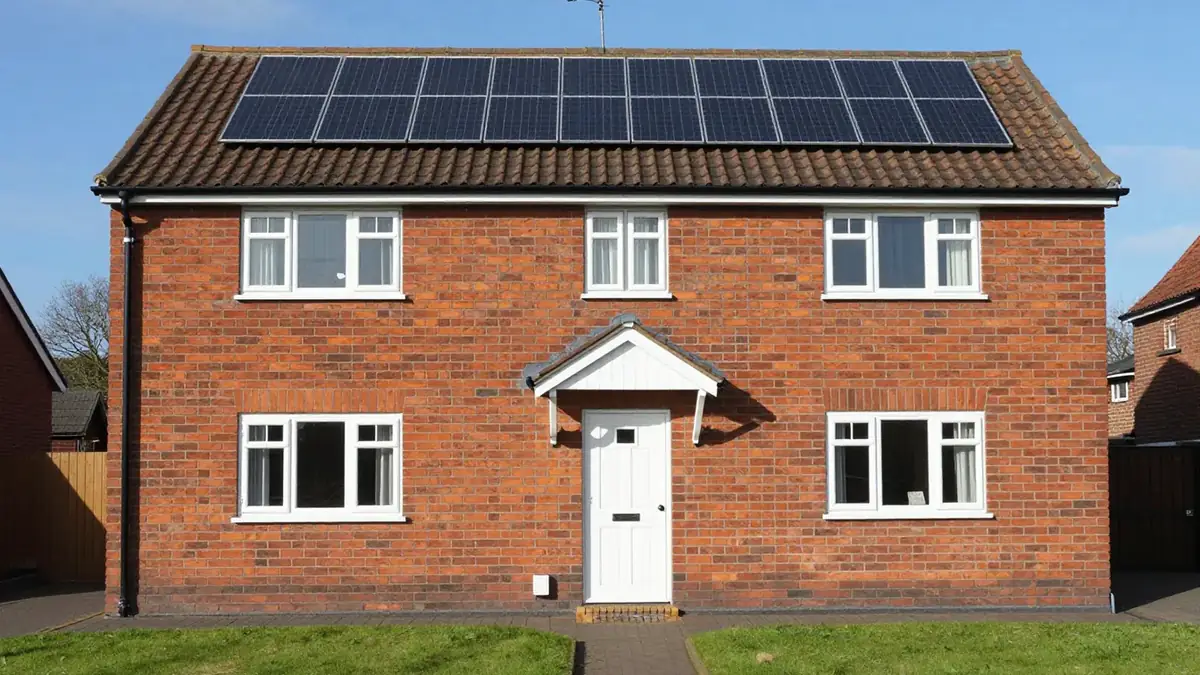
Energy Saving Trust says most installers are honest tradespeople. However, RECC reports that some firms use high-pressure selling. This checklist helps you spot the warning signs on a quote before you sign.
Each point below comes from consumer bodies such as RECC, Energy Saving Trust and Citizens Advice. We name the source each time, because you should read the original advice. Note that the RECC article we cite is dated 26 August 2011, so check its points against current rules.
Red flag 1: pressure to sign today
RECC warns about “aggressive, high-pressure and sometimes illegal selling techniques”. It also says you can often spot a rogue trader through “the very generous-sounding deals they advertise”.
A deal that needs an answer on the spot leaves no time to compare quotes, so ask for it in writing and take your time.
Energy Saving Trust also says not to accept business from people who approach you in the street or on the doorstep. It adds that it never cold-calls or sells door to door. If someone uses its name to sell you something, they are not legitimate.
Red flag 2: only one quote
RECC says to get at least three quotes before you choose a company. Energy Saving Trust gives the same advice, citing Which?. It says a range of quotes should help you find a fair rate, while it also gives you the chance to ask each company plenty of questions.
When you compare solar quotes, line them up on the same basis, because mixed bases hide the real price gap. Price per kWp, panel and inverter models, and the scope of work should all match. If you want installers to quote against each other, you can request quotes through our form.
Red flag 3: vague scope
A quote that says “solar system supplied and fitted” tells you nothing. RECC says to ask for a written quote that includes a standard performance estimate specific to your property and a full breakdown of what the installer will supply.
Energy Saving Trust adds that you should agree the scope of work and the payment schedule in writing. An email is fine, because it counts as proof if you have problems later. It says to get any changes in writing too, since verbal promises are hard to prove.
Check the details that decide your output. While the equipment matters, see string inverters, microinverters and optimisers for what to ask. The roof matters as well, so ask for output per roof face. Our east-west versus south-facing results show why that figure changes the answer. Equally, check the system size against your usage using how many solar panels you need.
Red flag 4: a big deposit or all the money upfront
RECC’s 2011 tips say never to pay more than 25% of the contract price upfront, and to check that insurance will protect it. Energy Saving Trust says not to pay all the money upfront, and to make the final payment only when you are happy with the job.
Our guide to deposit and payment checks goes through safe payment terms in more detail. Finance deals need the same care, so compare the total you would repay with the cash price.
Red flag 5: waiving your cancellation rights
Citizens Advice says you get a 14-day cooling-off period if the business approached you away from its premises and the service costs £42 or more. The period starts the day after you enter the contract. If you paid a deposit and cancel in time, you get all of it back, except what covers any services you asked to start early.
RECC’s 2011 tips told consumers they could cancel within seven days with no penalty, and not to waive this right by signing a waiver. Energy Saving Trust gives 14 days for orders made online, over the phone or in person. Ask the installer which period applies and where the contract states it, and do not sign away either.
Red flag 6: no credentials you can check
RECC says to deal only with companies that are members of the REAL Assurance Scheme and certified by the Microgeneration Certification Scheme (MCS) for the technology you want. Energy Saving Trust says reputable renewables installers should hold MCS certification.
Do not rely on a logo on a leaflet as proof. Look the company up on the scheme’s own site, and since a logo proves little, read our guide on how to check a solar installer. Energy Saving Trust also suggests checking for public liability insurance, and for a landline and business address instead of only a mobile number.
Red flag 7: reviews you cannot trace
RECC says to make sure any testimonials you rely on are genuine and not paid for. It suggests contacting the people yourself and asking them your questions. Ask each installer for recent local jobs and references, as Energy Saving Trust suggests, although a refusal to share them is itself a signal.
Red flags after the install
Check the paperwork after the install too. Home insurance is one area to review, so read solar panels and home insurance before you accept any cover offer.
Regional installers can differ too. Compare what installers quote in the East Midlands with typical offers across the East of England, and check that each claim holds up.
What to do next
Print this list and tick it against every quote. If an installer fails a point, ask them to explain it before you sign. Ask your own questions too, and use our list of questions for your installer to start. Solar Panel Price Check is not an installer, and we cannot vouch for any company, so always do your own checks.